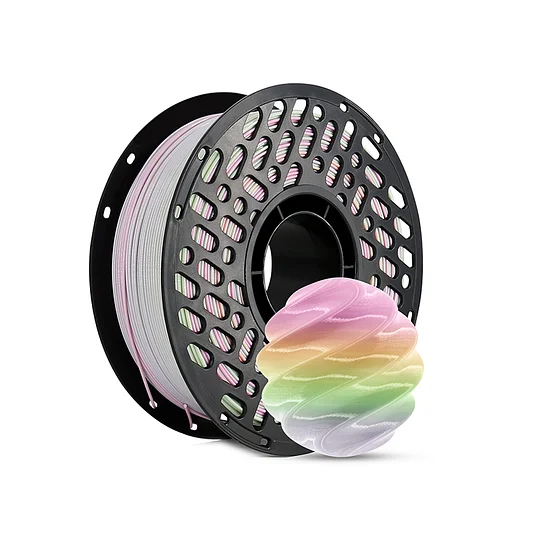
Moisture control plays a critical role in achieving smooth extrusion and strong layer bonding in PETG filament for 3D printing. Even though PETG is less hygroscopic than some materials, it still absorbs moisture from the air, which can lead to stringing, bubbles, and weak prints. Understanding proper drying protocols helps users unlock the full potential of modern filaments such as those offered by CaiLab, especially for functional and durable parts.
Why Moisture Affects PETG Print Quality
Excess moisture in PETG can vaporize during extrusion, causing inconsistent flow and poor surface finish. This is particularly noticeable in high-detail prints or mechanical components. With high-performance options like CaiLab PETG (1KG spool, 1.75mm ±0.03mm), maintaining dry filament ensures its excellent impact resistance and heat stability are preserved during printing.
Recommended Drying Techniques for Reliable Results
Drying PETG filament for 3D printing typically involves using a filament dryer or a controlled oven at around 50–55°C for 4–6 hours. Consistent drying improves layer adhesion and minimizes warping, which aligns with PETG’s natural advantage of low shrinkage. Proper storage in airtight containers with desiccants also helps maintain optimal conditions between prints.
Enhancing Flow and Adhesion Through Preparation
Well-dried PETG filament for 3D printing delivers smoother extrusion and stronger interlayer bonding. This is especially important for functional parts that rely on mechanical durability. Combined with PETG’s inherent strength and superior heat resistance compared to PLA, proper preparation ensures prints meet real-world performance demands.
Conclusion
Effective drying protocols significantly improve print consistency and strength. By maintaining low moisture levels, users can fully benefit from the durability, adhesion, and thermal properties that CaiLab PETG filament for 3D printing offers, resulting in more reliable and high-quality 3D prints.
