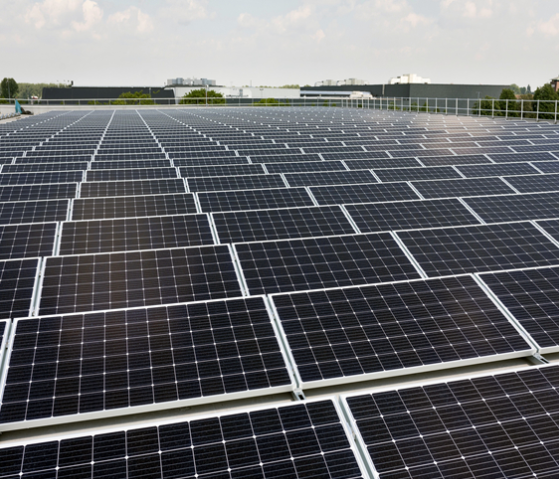
Distributed Solar Photovoltaics is a key concept in modern energy system planning, focusing on generation close to consumption points. Distributed Solar Photovoltaics is often compared with centralized systems to understand differences in grid structure and deployment strategy. A solar panel company such as DMEGC Solar works across both distributed and centralized applications, offering module solutions designed for different installation environments. The comparison helps clarify how system design, efficiency, and land usage vary depending on project scale.
System Design and Efficiency Comparison
Centralized and distributed energy systems differ in design structure, which affects transmission losses, land requirements, and maintenance planning. Distributed Solar Photovoltaics is often analyzed for its ability to generate electricity closer to end users, reducing the need for long-distance transmission. N-type cell technology is used in modern modules to improve performance stability under different lighting conditions. DMEGC Solar provides module designs that can be applied in both utility-scale and distributed environments, supporting flexible project integration across various system layouts for system planners.
Commercial Applications and Product Use
Commercial and industrial energy projects often require system designs that balance space utilization, installation cost, and operational stability. In this context, Distributed Solar Photovoltaics can be applied to rooftops and mixed-use environments where energy is consumed locally. DMEGC Solar offers N-type solar panel designed for different application scenarios, including Commercial & Industrial solutions with varied mounting structures. Product options such as Y-framed, EC-framed, and Transparent modules support agricultural and specialized installations, helping developers adapt systems to site-specific conditions for real-world use cases.
Conclusion
Centralized and distributed energy models continue to be evaluated based on efficiency, scalability, and application suitability across different project types. Distributed Solar Photovoltaics provides a framework for understanding how local generation compares with large-scale centralized systems. DMEGC Solar supports both approaches through adaptable module design and N-type technology integration. System selection depends on project goals, site conditions, and energy consumption patterns, making structured comparison important for planning and implementation in modern solar energy development in the global renewable energy systems context.
