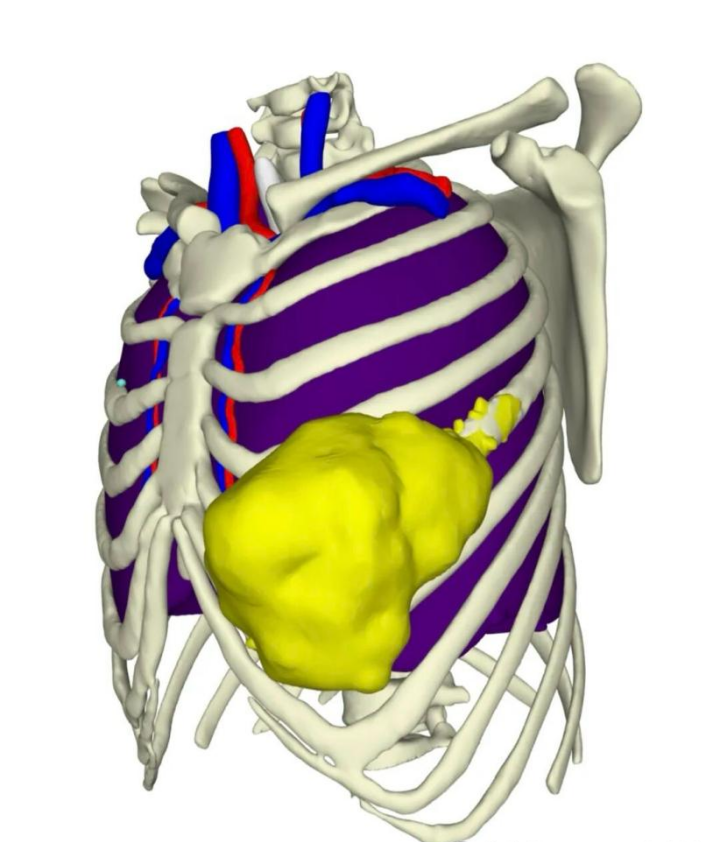
Chest wall tumors may be difficult to detect in the early stages, but recognizing the symptoms early can lead to better outcomes. Understanding its symptoms and diagnostic process is crucial for timely intervention.
Common Symptoms of Chest Wall Tumors
The most common symptoms of chest wall tumors are localized pain, tenderness, and a palpable mass. If the tumor invades the pleura and directly affects the lungs, patients may experience respiratory symptoms such as coughing or even shortness of breath. If the tumor compresses the heart and major blood vessels, cardiovascular symptoms may occur.
Diagnostic Methods for Chest Wall Tumors
To diagnose a chest wall tumor, doctors typically begin with a physical examination, followed by imaging techniques like X-rays and CT scans. These imaging tests help visualize the tumor’s size, location, and potential impact on nearby organs. The Institute of Chest Wall Surgery (ICWS) uses advanced imaging technologies, such as 3D reconstructions, to provide a more detailed view of the tumor and the chest wall structure. In some cases, a biopsy may be necessary to confirm the diagnosis and determine the nature of the tumor.
Treatment Options at The Institute of Chest Wall Surgery (ICWS)
At The Institute of Chest Wall Surgery (ICWS), cutting-edge surgical techniques are available to manage chest wall tumors effectively. Treatments may include tumor resection and reconstruction of bony structure, soft tissue and skin, aiming to restore the function and appearance of the chest wall. The multidisciplinary approach at ICWS ensures personalized care, optimizing the chances of successful recovery.
Conclusion
If you notice chest wall tumor symptoms, early consultation with specialists at ICWS can greatly enhance your treatment outcomes.
