Selecting the right processor architecture shapes the foundation of an embedded product. Decisions made at this stage influence system integration, software development, thermal management, and the long-term maintainability of the final solution.
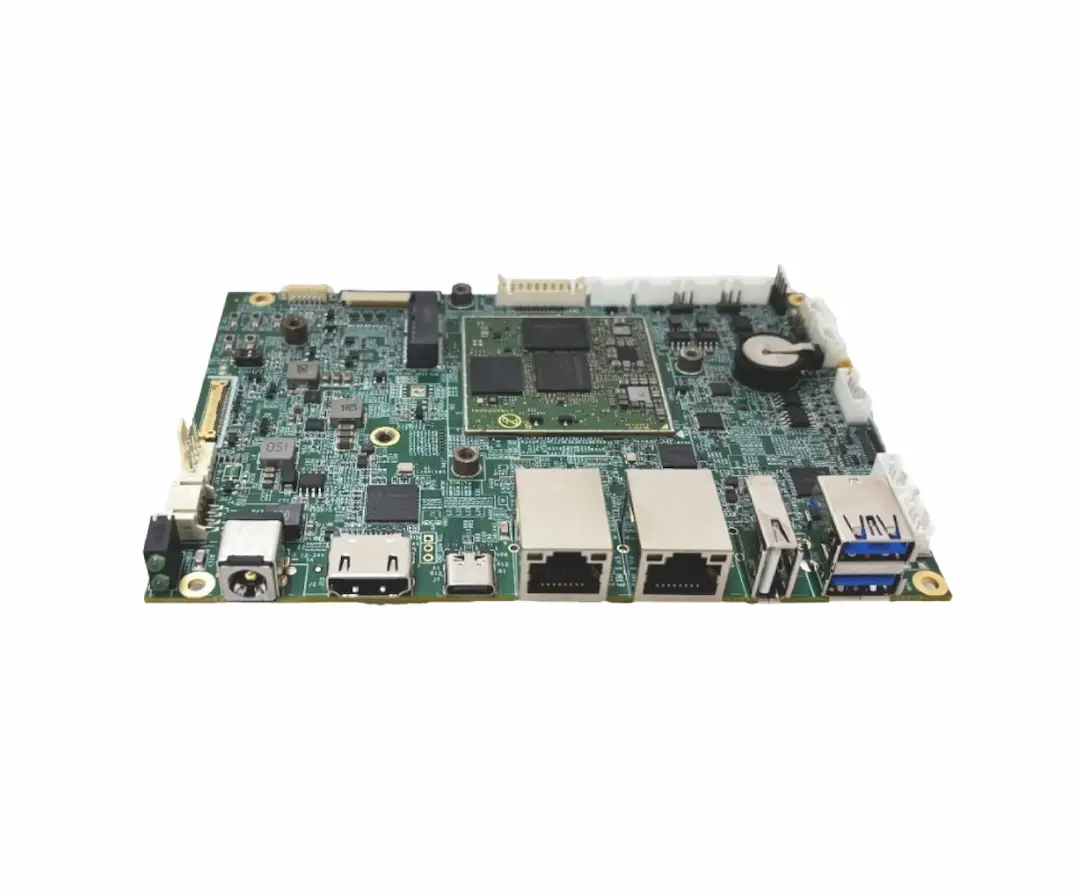
Built around NXP processor technology, an NXP Single Board Computer combines essential computing elements into a single embedded platform. By integrating processing resources, memory, communication interfaces, and expansion capabilities on one board, it enables developers to simplify system design while maintaining flexibility for different applications.
Industrial equipment, smart terminals, and edge devices increasingly require compact computing solutions that can process data locally and operate reliably. An industrial single board computer powered by NXP technology offers a practical foundation for developers building embedded systems with these requirements.
Understanding why engineers select NXP processors requires looking beyond processor speed. The decision is often related to embedded system requirements, development efficiency, and long-term product planning.
What Defines an NXP Single Board Computer in Embedded Designs
An NXP SBC is a single-board computing platform that uses NXP embedded processors as its core processing unit. It typically integrates essential system components, including memory, storage interfaces, communication ports, and expansion options.
Unlike general development boards used mainly for prototyping, industrial SBCs are designed to support product development and deployment. They provide hardware foundations that can be integrated into machines, devices, and commercial systems.
NXP’s i.MX processor family is widely used in embedded applications because it covers different performance requirements. Some systems require efficient control processing, while others need graphical interfaces, multimedia capabilities, or advanced edge computing functions.
The flexibility of these processor families allows developers to select a suitable platform without redesigning their entire architecture for every project.
A manufacturer developing an industrial gateway, smart control panel, or connected device can use an nxp single board computer as the central processing unit while focusing engineering resources on application software and system integration.
Vantron provides embedded computing solutions based on processor platforms including NXP, supporting developers who need industrial-ready boards for edge computing and embedded applications.
Why Engineers Look Beyond CPU Performance When Choosing NXP Platforms
Processor selection in embedded systems is rarely based only on benchmark numbers. Industrial developers must consider how well a platform fits the entire product design process.
Power efficiency is often a major factor. Many embedded devices operate continuously and may be installed in locations where thermal management and energy consumption are limited.
NXP processors are designed for embedded applications where balanced performance and efficient operation are important. This makes them suitable for products that require computing capability without excessive power requirements.
Software support is another reason engineers evaluate NXP platforms. Embedded products often depend on operating systems, development tools, drivers, and long-term software maintenance. A mature ecosystem can reduce development challenges and simplify future updates.
Hardware integration also influences platform decisions. Industrial products frequently require communication with sensors, displays, controllers, and networking systems. A processor platform that supports these requirements can reduce system complexity.
For developers creating an industrial single board computer, NXP processors provide a foundation that balances computing resources with embedded design constraints.
NXP i.MX Platforms Help Developers Build Scalable Embedded Systems
One reason NXP processors remain popular is the scalability of the i.MX platform family.
Different embedded products require different levels of computing capability. A basic monitoring device may need efficient processing and connectivity, while an intelligent industrial terminal may require stronger multimedia or AI-related functions.
The i.MX8 family has been widely adopted in embedded designs requiring graphics processing, connectivity, and industrial computing features. Newer i.MX9 series processors provide additional options for developers building next-generation edge devices.
This platform approach allows companies to develop multiple products within a consistent technology ecosystem. Engineers can create different device versions while maintaining similar development methods and software knowledge.
For industrial manufacturers, this consistency can reduce engineering effort and simplify product expansion.
Processor platforms such as NXP i.MX are supported across Vantron’s embedded board offerings, which are used for industrial and edge computing applications.
Where NXP Single Board Computers Fit Into Industrial Product Development
NXP-based SBCs are often selected when computing needs must be integrated directly into the final product.
In industrial automation, an NXP platform may serve as the processing core for equipment interfaces, data collection systems, or intelligent control devices. In smart infrastructure, it can support connected terminals that require local analysis and communication.
The same design philosophy applies to medical equipment, transportation systems, and IoT devices. These products require embedded computers that can operate reliably while supporting specific hardware and software requirements.
The role of the SBC is not simply to provide processing power. It acts as the connection point between application software, external devices, and operational workflows.
This makes processor selection an important part of product architecture. A suitable platform can help manufacturers create systems that are easier to maintain, upgrade, and scale.
Why NXP Remains a Practical Choice for Long-Term Embedded Projects
Embedded products often have much longer lifecycles than consumer electronics. A device deployed in an industrial environment may need stable operation and continued support for many years.
For this reason, companies evaluate processor platforms based on ecosystem stability, development resources, and future availability.
NXP processors have become a common choice because they are designed around embedded market requirements rather than short consumer product cycles. Their platform ecosystem supports developers building long-term products across different industries.
An NXP SBC is therefore not only a hardware selection. It represents a development strategy that considers software continuity, system integration, and future product evolution.
The growing adoption of NXP Single Board Computers reflects the increasing demand for flexible and reliable embedded platforms. By combining processor capability with embedded-focused design, NXP solutions help engineers create intelligent devices that can meet the changing requirements of industrial and edge computing environments.
