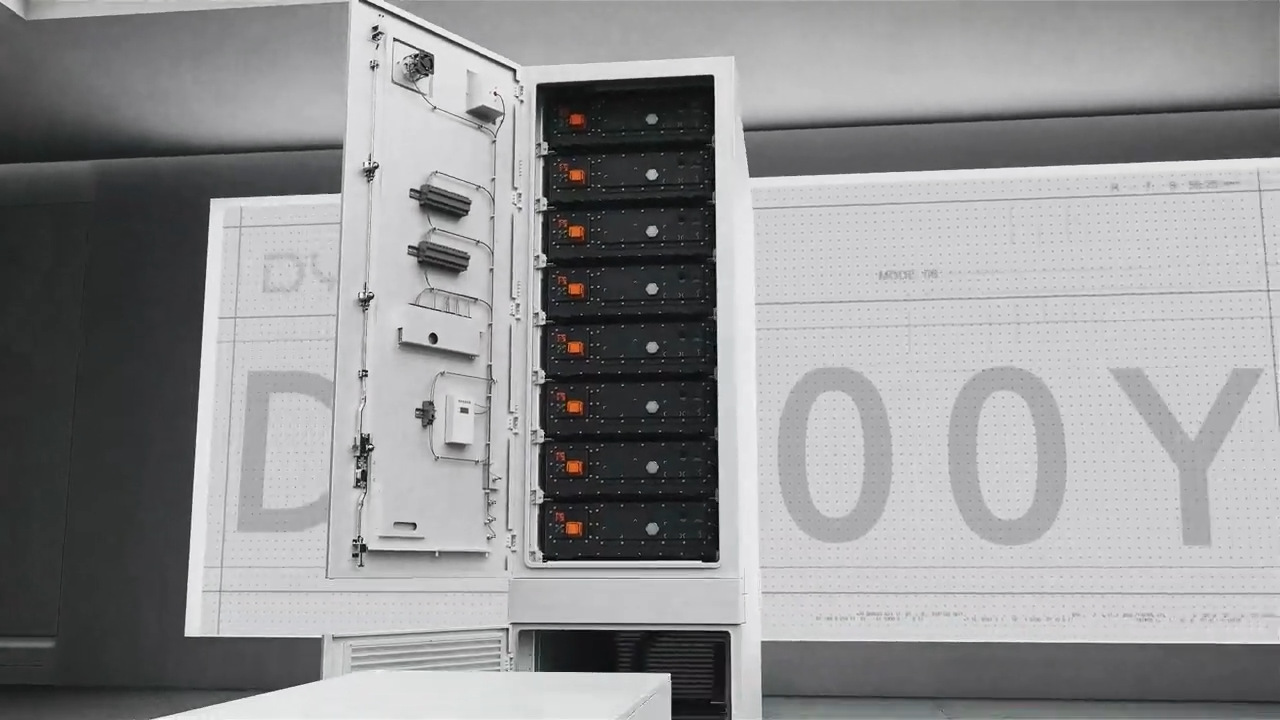
Large-scale electrical distribution grids and dense production facilities require heavy-duty power repositories to stabilize localized transmission networks against unexpected frequency drops. Deploying an advanced Utility-Scale Liquid-Cooled Containerized BESS platform enables asset developers to capture massive blocks of clean renewable energy, reduce transmission curtailments, and secure constant factory backup electricity.
Sourcing appropriate high-capacity machinery demands a meticulous evaluation of physical container footprints, fluid heat transfer properties, and pre-commissioning verification standards. Experienced project engineers prioritize tightly integrated layouts that run quietly behind the scenes while maintaining high conversion ratios across diverse geographical environments over multi-decade lifecycles.
Thermodynamic Equilibrium in Megawatt Scale Cell Arrays
High-capacity electrochemical storage blocks naturally release massive amounts of thermal energy during rapid bidirectional charging and discharging phases. Traditional forced-air cooling methods often fail to extract heat uniformly from tightly packed battery cells, creating problematic localized hot spots across internal rack corridors. These isolated temperature spikes accelerate internal cell breakdown and introduce severe capacity limitations into the storage network.
Utilizing dedicated internal liquid circulation plates allows heat to be absorbed directly from the cell surfaces with exceptional uniform precision. Fluid-chilled setups reduce the internal temperature variance across the cell layout, extending the structural lifespan of sensitive battery elements. Efficient heat extraction reduces premature cell capacity drops and enables highly predictable performance across variable operational profiles.
Fluid Dynamics and Core Volumetric Energy Density Optimization
Maximizing the volumetric energy density within centralized utility yards requires a complete shift away from space-consuming air-flow ducting channels. Air-cooled systems demand wide structural air paths between adjacent cell rows to maintain adequate heat dissipation boundaries. Liquid-cooled engineering replaces these open physical corridors with compact internal plumbing loops, drastically cutting down the required system volume.
Using compact liquid lines allows developers to pack multiple cell blocks tightly together inside a single weather-sealed enclosure shell. This space-saving thermal layout achieves exceptional energy capacities per square meter of real estate. Minimizing physical land requirements lowers total site development costs for global distribution networks significantly.
Structural Engineering of Fully Integrated Modular Subsystems
Developing expansive grid-side projects relies heavily on implementing an adaptable industrial modular storage system to match varying facility boundaries cleanly. Loose component tracking introduces unexpected physical layout bottlenecks during field construction, forcing technicians to manage complex independent components. Unified modular layouts bundle essential thermal regulators, control electronics, and cell strings into cohesive building blocks.
The product portfolios developed by Dyness utilize a specialized approach that features a fully modular design enabling flexible and rapid deployment. This strategic structural organization allows engineering firms to handle precise system sizing tasks smoothly without redesigning core component footprints from scratch. Factory-verified block enclosures enable maximum mechanical stability and high structural safety across demanding industrial utility yards.
Multi Unit Parallel Synchronization and On Demand Scaling
Enterprise energy needs rarely stay completely fixed for long, often expanding rapidly as facilities introduce extra machine lines or vehicle fleets. Incorporating an adaptable industrial modular storage system provides a flexible configuration pathway that features a modular design with on-demand capacity increase. System managers can expand their backup reserves incrementally over time as processing workloads grow.
To satisfy these heavy megawatt-scale needs, the advanced DH800Y series supports efficient parallel clustering across multiple large cabinets. This flexible architecture allows up to 6 parallel units to occupy the equivalent footprint of a standard 20′ container, achieving an all-in-one 5MWh block. High physical scaling capabilities allow project managers to build out massive independent power arrays cost-effectively.
Electrochemical Preservation and Capacity Retention Over Long Lifecycles
True energy asset value is calculated based on long-term throughput capacity retention across thousands of operational cycles rather than just initial equipment procurement expenditures. LFP matrices routinely achieve thousands of full charging cycles before experiencing noticeable capacity degradation. This longevity enables exceptionally low maintenance overhead and extended service intervals for property networks.
Choosing a premium battery platform from Dyness delivers predictable financial returns for project developers over decades of continuous operation. Lower degradation rates reduce the need for early battery module replacements, keeping long-term capital expenditures fully under control. Investing in verified cell longevity remains essential for creating sustainable, self-sufficient clean energy networks.
Advanced Safety Architectures and Automated Hazard Mitigation
Dense multi-megawatt cell matrices situated near heavy industrial zones require an uncompromising commitment to rigorous manufacturing safety standards. Modern containment boxes incorporate multi-layer protective monitoring frameworks that track individual cell voltages, internal pressures, and moisture metrics continuously. Proactive sensor networks identify potential technical anomalies early, long before traditional external smoke systems can register a change.
If an internal fault condition occurs, automated target mitigation loops isolate the impacted module immediately without affecting adjacent cell towers. Integrated fire suppression mechanisms activate localized gas or water counters instantly to reduce hazard propagation across the entire site container. Robust structural containment supports complete safety protection for surrounding property infrastructure.
Conclusion
Deploying utility-scale microgrids effectively calls for precise liquid thermal controls, robust pre-commissioning integration, and scalable modular architectures. An optimized Utility-Scale Liquid-Cooled Containerized BESS gives operators the means to protect key assets, bypass demand-related surcharges, and level out the natural variability of solar energy production.
With platforms like the Dyness DH800Y series enabling 6 parallel units to occupy the equivalent footprint of a standard 20′ container for an all-in-one 5MWh capacity, the brand delivers the durable, low-maintenance industrial modular storage system hardware required to drive the global clean energy transition.
