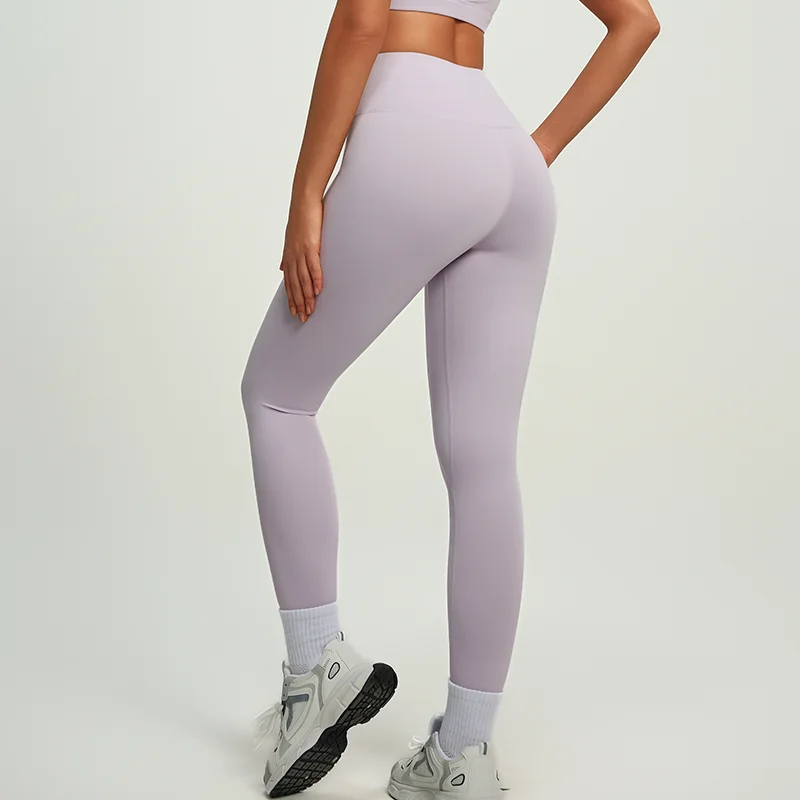
Brands developing activewear collections face risks that can affect budgets, timelines, and customer trust. Custom yoga pants projects require careful control from material planning to final production. This article explains how experienced manufacturers help businesses reduce uncertainty through structured development, technical support, and coordinated supply chain management.
Production Risks Begin Before Manufacturing Starts
Many apparel risks appear before machines begin operating. Design decisions, fabric selection, and technical specifications influence later results. When these areas lack clear planning, brands may experience delays, inconsistent quality, or additional costs during production.
For private label companies, early communication with manufacturers creates a stronger foundation. Teams need agreement on measurements, construction methods, and expected performance. A detailed development process allows possible problems to be identified before large quantities enter production.
Activewear products require precise attention because customers expect comfort, durability, and reliable performance. Manufacturers with technical experience can review patterns, fabrics, and production methods. This support helps businesses create products that meet commercial requirements without unnecessary adjustments.
Joebond provides integrated apparel manufacturing support, and they connect multiple production stages through their supply chain capabilities. Their services cover materials, garment production, and visual support. This structure helps brands coordinate projects with better visibility and smoother communication.
Material Control Creates More Predictable Results
Fabric quality has a direct relationship with product performance. Activewear buyers need materials that support movement, comfort, and repeated use. Manufacturing partners help evaluate fabric characteristics before production, reducing the possibility of unexpected issues after bulk orders begin.
Material consistency also affects brand reputation. Different fabric batches may influence color, texture, or garment feel. A reliable production process includes careful material management, testing procedures, and communication between suppliers and apparel companies.
Manufacturers can assist businesses by reviewing fabric options based on product goals. They consider factors such as garment purpose, design requirements, and customer expectations. This approach helps companies develop collections that balance creative ideas with practical production needs.
The relationship between materials and manufacturing efficiency is important for growing brands. When suppliers understand both sourcing and production requirements, businesses can improve planning. This connection supports more stable operations and reduces challenges during future collection expansion.
How Custom Logo Projects Serve as a Strategic Tool for Risk Mitigation
Brand identity relies not only on unique designs but also on the consistent, long-term delivery of visual messages. For custom yoga pants with logo projects, elements such as labels and color palettes are critical brand assets. If these elements are poorly executed, brands face significant risks—ranging from peeling graphics and misaligned placements to a direct erosion of consumer trust.
Managing custom yoga pants with logo projects requires more than just adding a graphic to a garment; it is a complex process of balancing creative vision with manufacturing realities. Experienced manufacturers must meticulously evaluate the interplay between fabric elasticity, surface texture, and application methods. By selecting the correct printing or embroidery techniques tailored to specific performance fabrics, manufacturers ensure that the branding remains crisp, durable, and visually appealing even after repeated stretching and washing. This technical diligence serves as a proactive form of risk management, preventing post-production defects that could damage a brand’s reputation.
Professional development support is essential in bridging the gap between design concepts and production feasibility. Suppliers who review design ideas early in the development phase can suggest construction adjustments that maintain the intended aesthetic while avoiding technical pitfalls.
In this context, partners like Joebond provide a distinct advantage. By supporting comprehensive OEM and ODM projects—spanning yoga wear, fitness gear, and sportswear—they integrate branding execution directly into the manufacturing workflow. This “unified production” approach ensures that customization is not an afterthought but a core component of the quality control process. By aligning branding application with standardized, reliable production cycles, brands can effectively safeguard their visual identity, minimize operational risks, and maintain a consistent, high-quality presence in the competitive activewear market.
Development Processes Reduce Cost And Timeline Uncertainty
A structured development process creates better control over apparel projects. Sample reviews, technical discussions, and production planning allow brands to confirm important details before committing to larger orders.
These product development programs often require cooperation between designers, manufacturers, and quality teams. Each group contributes different knowledge, helping identify possible concerns related to fit, materials, and construction before production moves forward.
Manufacturers with broad capabilities can support different business models. Some brands require customized collections, while others need ready inventory solutions. Flexible production options allow companies to respond to market conditions without creating unnecessary operational pressure.
Risk reduction does not mean removing every challenge. Instead, it involves creating systems that identify problems earlier and provide solutions faster. This approach helps businesses make informed decisions and build stronger relationships with manufacturing partners.
Supply Chain Integration Supports Long-Term Brand Planning
Activewear production involves multiple connected stages. Materials, dyeing, cutting, sewing, and finishing all influence the final product. When these stages are managed separately, communication gaps may create additional risks.
The company supports connected manufacturing operations, and they provide businesses with coordinated apparel solutions. Their capabilities include raw materials, yarn production, dyeing, garment manufacturing, sales, and visual services. This integrated structure helps buyers manage complex production requirements.
For international apparel companies, supply chain transparency is valuable. Clear updates regarding materials, production progress, and quality checks allow brands to prepare sales strategies more effectively. Reliable communication supports better planning across different business areas.
Long-term cooperation develops when manufacturers understand commercial goals. Businesses benefit from partners who provide technical knowledge, production assistance, and consistent support. These relationships can allow brands to improve product development processes over multiple seasons.
Quality Management Strengthens Market Confidence
Quality management is an essential part of reducing apparel production uncertainty. Regular inspections, measurement reviews, and finishing evaluations help identify concerns before products reach customers.
For businesses selling activewear, product consistency influences repeat purchases and retailer relationships. Manufacturers that maintain organized quality procedures help brands deliver dependable collections across different markets and order cycles.
Communication after production also matters for future improvement. Feedback about customer responses, inventory performance, and product adjustments can support later development decisions and improve cooperation between businesses and suppliers.
A complete manufacturing relationship includes more than production capacity. It includes problem solving, technical support, and shared attention to commercial goals. These factors help companies create stronger foundations for sustainable apparel operations.
Conclusion: Safer Production Builds Stronger Activewear Businesses
Reducing production risk requires more than finding a factory. It requires coordinated planning, technical expertise, and reliable communication. Custom yoga pants help brands create focused collections, while custom yoga pants with logo solutions support recognizable product identity. Joebond works with companies, and they provide integrated manufacturing support for activewear growth.
