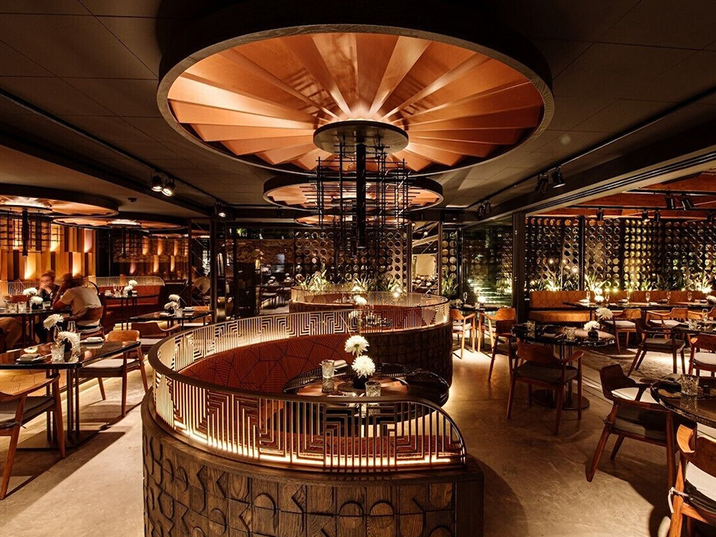
A high-end restaurant is not only defined by its menu or service. The interior environment also shapes how guests understand the brand and enjoy their dining experience. Furniture plays an important role because it affects comfort, traffic flow, visual style, and the overall atmosphere of the space.
For restaurant owners, designers, and project contractors, furniture selection requires more than choosing attractive pieces. Materials, craftsmanship, maintenance needs, and space planning all influence the final result. A well-planned furniture solution can help create a dining area that supports both customer experience and daily operations.
The Role of Furniture in Luxury Dining Spaces
Luxury restaurant furniture needs to balance appearance and practical use. Dining chairs, tables, booths, and lounge seating should match the design concept while supporting frequent use. The shape, size, and placement of each item can influence movement between tables and service areas.
Comfort is another important factor in restaurant design. Guests usually spend more time in premium dining spaces, so seating height, cushion structure, and ergonomic details need careful consideration. Furniture that fits the environment can create a more comfortable experience without affecting the efficiency of the layout.
Many restaurant projects also require customized solutions because each space has different dimensions and styles. A professional hotel furniture manufacturer usually considers design requirements, material options, and production details together to provide furniture that fits specific commercial applications.
Material Selection for Design and Daily Restaurant Use
Materials influence both the appearance and maintenance of restaurant furniture. Wood, metal, upholstery, and mixed materials can create different visual effects depending on the restaurant theme. Designers often evaluate durability, cleaning requirements, and the relationship between furniture and other interior elements.
For high-end dining spaces, details such as surface finishing, edge treatment, and connection methods can affect the overall impression. Small craftsmanship differences may influence how furniture looks after long-term operation. Therefore, project teams usually review samples and technical details before confirming production.
BFP Furniture provides customized furniture solutions for hospitality and restaurant projects. Their services cover different areas, including public spaces, fixed millwork, guestroom furniture, and outdoor resort lounges. These solutions focus on combining design requirements with practical usage needs for commercial environments.
How Custom Solutions Support Restaurant Project Planning
Restaurant projects often involve coordination between designers, contractors, and suppliers. Furniture dimensions need to work with lighting systems, walls, flooring, and other interior elements. Early communication helps reduce adjustments during installation and supports smoother project progress.
A reliable supplier should understand commercial furniture standards and project timelines. BFP Furniture supports project preparation through services such as installation planning, measurement assistance, progress updates, and bilingual communication. These processes help project teams follow important milestones during production and delivery.
For international hospitality projects, working with a China hotel furniture manufacturer can provide access to customized production capabilities and different material choices. However, buyers still need to evaluate quality control, communication efficiency, and after-sales support before making decisions.
Furniture Design and the Creation of a Consistent Brand Experience
A restaurant’s furniture should connect with its overall identity. A modern restaurant may require clean lines and simple materials, while a classic dining space may focus on detailed craftsmanship and warm textures. The furniture design should support the atmosphere that the business wants to create.
Consistency is also important across different areas. Waiting lounges, dining sections, private rooms, and outdoor spaces should feel connected while meeting their own functional requirements. Custom furniture allows designers to maintain a unified visual direction throughout the project.
When choosing solutions, many buyers compare different suppliers based on design ability, production control, delivery schedules, and service support. A hotel furniture manufacturer with project experience can help translate design concepts into practical furniture plans that match commercial requirements.
Long-Term Value Behind Commercial Restaurant Furniture Choices
The value of restaurant furniture depends on how well it performs after installation. High-traffic dining spaces require furniture that can handle regular cleaning, repeated use, and changing business needs. Initial appearance is important, but long-term usability also affects the investment decision.
Project teams often review production processes, quality management, and delivery arrangements before cooperation. BFP Furniture works with clients on customized hospitality furniture projects and provides support from design communication to final installation preparation.
For buyers looking for international production partners, a China hotel furniture manufacturer can offer customized options for different hospitality and restaurant applications. Careful evaluation of design, materials, and service processes helps create furniture solutions that fit the project goals.
A Practical Approach to Building High-End Dining Spaces
A high-end restaurant is created through many connected details. Furniture selection influences comfort, atmosphere, and operational efficiency, making it an important part of interior planning. From material choices to customized layouts, each decision contributes to the final dining environment.
The right furniture partner should understand both design expectations and practical project requirements. By combining creative ideas with careful planning, restaurant owners and designers can develop spaces that provide a balanced experience for guests and support long-term operation.
