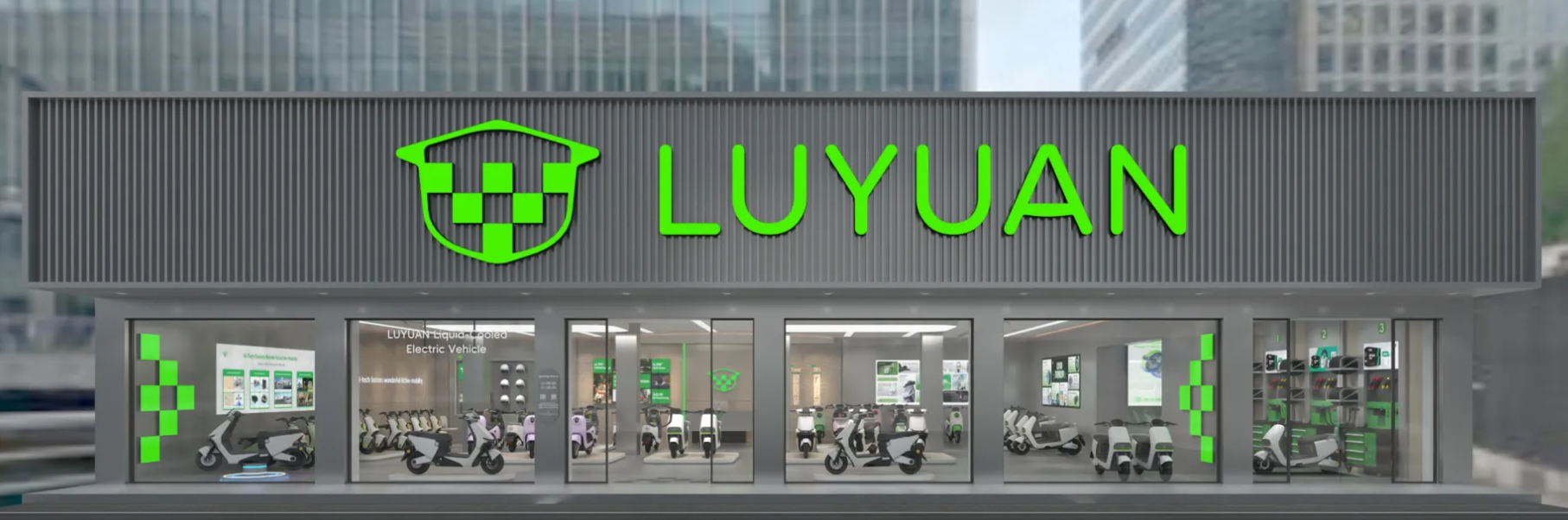
A local electric two-wheeler business rarely serves just one type of rider. Some customers need an economical vehicle for short urban trips, while others prioritize longer-distance commuting, stronger acceleration, or technology that makes everyday travel more convenient.
A successful electric scooter dealership must balance these different expectations with inventory costs, local regulations, maintenance requirements, and realistic demand. LUYUAN operates in the electric mobility sector, offering dealers an opportunity to consider how a broader product portfolio can match the needs of different markets rather than relying on a single model category.
Segment Customers Before Selecting Models
Product planning starts with understanding how people travel in the target area. In dense cities, compact vehicles with manageable speeds and straightforward controls may suit short commutes and frequent stops. Suburban riders may need greater range, more comfortable seating, or enough performance for roads with higher speed limits. Local climate, road quality, parking conditions, and charging access can influence purchasing decisions as much as appearance or brand recognition.
Customer segmentation should be based on observable demand instead of assumptions. Dealers can review inquiries, test-ride feedback, sales records, and common questions from prospective buyers. If customers regularly ask about battery range, that concern may justify clearer model comparisons or a different mix of configurations. Where affordability is the main barrier, a practical entry-level option could attract a different audience from a premium connected vehicle.
A balanced electric scooter dealership portfolio does not need dozens of models. Too many similar options can divide sales across slow-moving inventory, complicate staff training, and increase the number of spare parts that must be stocked. A more manageable approach groups vehicles by distinct use cases, with each model offering a clear reason to sit within the range. This makes comparisons easier for buyers and gives sales staff a more consistent way to explain differences.
Create Clear Roles Within the Product Range
A well-structured lineup often includes an accessible entry point, a versatile everyday commuter, and one or more models for customers who value additional performance or features. These categories are planning tools rather than fixed price tiers; local demand may support a different mix. The important question is whether each vehicle addresses a distinct customer need instead of competing directly with another model in the same showroom.
Range claims deserve careful treatment during assortment planning. Advertised distance can vary with rider weight, speed, temperature, terrain, tire pressure, and battery condition. Dealers should compare models using consistent test conditions wherever possible and explain that real-world results may differ. A vehicle with a larger stated range is not automatically the right choice if most local journeys are short and customers place greater value on price, storage, or ease of handling.
Performance and equipment also need to match local rules. Speed limits, licensing categories, registration requirements, and permitted vehicle types differ by country and sometimes by region. An OEM electric motorcycle sourcing discussion should include the intended market, homologation requirements, available configurations, and documentation supplied with each version. A model that fits one market’s regulations may require a different specification—or may not be suitable at all—in another.
Assess the Supplier Beyond the Catalogue
A supplier relationship affects much more than the initial purchase price. Dealers need reliable information about production schedules, minimum order quantities, shipping arrangements, warranty coverage, and replacement-part availability. If a popular vehicle becomes unavailable during a seasonal demand peak, the resulting lost sales may outweigh a small saving on the original order. Written terms make these operational risks easier to evaluate before stock is committed.
Product configuration is another important consideration for businesses considering an OEM electric motorcycle arrangement. Depending on the supplier’s capabilities, discussions may cover technical specifications, colors, branding, packaging, accessories, or market-specific adjustments. Not every request will be feasible or commercially sensible. Buyers should confirm development costs, minimum quantities, approval procedures, and production lead times before treating a proposed customization as an available option.
LUYUAN provides a partner inquiry route through its official Become Our Partner page. Prospective dealers can use the supplier discussion to clarify target markets, intended customer segments, portfolio requirements, and cooperation terms. Before placing a substantial order, a dealer should also request the applicable technical documents, inspect sample vehicles where practical, and confirm how service issues will be handled. These checks provide a more useful basis for comparison than promotional claims alone.
Conclusion
A durable dealership business is built around a product range that reflects local travel patterns, price expectations, legal requirements, and the resources available for after-sales service. A carefully planned electric scooter dealership can offer customers meaningful choices without tying up excessive capital in overlapping models.
LUYUAN is one supplier that prospective partners can evaluate as they develop a market-specific assortment and clarify the terms of cooperation. With a defined customer profile, sensible inventory allocation, and transparent supplier communication, dealers can build a range that is commercially practical and easier to maintain over time.
