Procuring commercial furniture involves evaluating significantly more than just the physical product or its visual appeal. For wholesale distributors and retail buyers, the journey from the manufacturing floor to the end-user represents a substantial operational expense. Logistical elements, specifically packaging dimensions and user assembly requirements, directly influence a retailer’s profitability and overall market competitiveness.
Overlooking these mechanical details often leads to inflated freight costs, complicated warehouse logistics, and elevated customer return rates. Businesses must analyze exactly how organizational items are boxed, shipped, and eventually constructed by the consumer. Prioritizing efficient flat-pack engineering and straightforward installation processes provides procurement teams with a distinct, measurable operational advantage.
Maximizing Container Space and Freight Efficiency
International shipping rates fluctuate constantly, making cargo volume a critical variable in retail margins. Footwear storage units that disassemble into highly compact cartons allow buyers to maximize ocean container space. This spatial efficiency directly lowers the per-unit transportation cost, offering businesses greater pricing flexibility.
Purchasing managers should actively request exact packaging specifications before finalizing large-scale seasonal orders. Comparing the packed carton dimensions against the fully assembled footprint reveals the true logistical viability of any organizational product. Sourcing compact inventory prevents critical working capital from being drained by unnecessary, volume-based shipping fees during international transit.
Mitigating Transit Damage Through Robust Packaging
The structural integrity of the shipping carton is vital for cross-border trade. Metal tubing, wire meshes, and plastic connectors require adequate protection during turbulent transit. If a factory utilizes substandard internal padding, these structural components may sustain severe damage before reaching the retail warehouse.
Damaged merchandise results in immediate revenue loss and significantly complicates inventory forecasting. Buyers should evaluate the internal shock absorption materials, such as corrugated cardboard inserts or reinforced corner guards. Verifying these protective measures helps retailers maintain predictable stock levels and reduces reverse logistics expenses.
The Consumer Assembly Experience
While compact packaging benefits the distributor, the actual construction process directly impacts the end-user. When consumers purchase organizational furniture, they expect a frictionless setup. Frustrating, multi-hour assembly requirements generate negative product reviews and sharply increase the likelihood of retail returns.
Procurement teams must evaluate the mechanical complexity of the furniture. Products designed with fewer distinct screws, intuitive joint connections, and pre-aligned drill holes generally yield higher customer satisfaction. This operational simplicity encourages positive brand perception and drives valuable repeat business for the retailer.
Instruction Manuals and User Guidance
The clarity of assembly documentation serves as a critical touchpoint between the brand and the consumer. Vague diagrams or poorly translated instructions cause unnecessary confusion during installation. Retailers should source products that include highly visual, step-by-step assembly guides.
Clear documentation empowers users to construct the furniture correctly, reducing the burden on retail customer service departments. Businesses spending hours troubleshooting assembly over the phone lose valuable administrative time. Providing comprehensive, easy-to-read manuals directly mitigates this operational drain.
Addressing Compact Living with Intelligent Storage
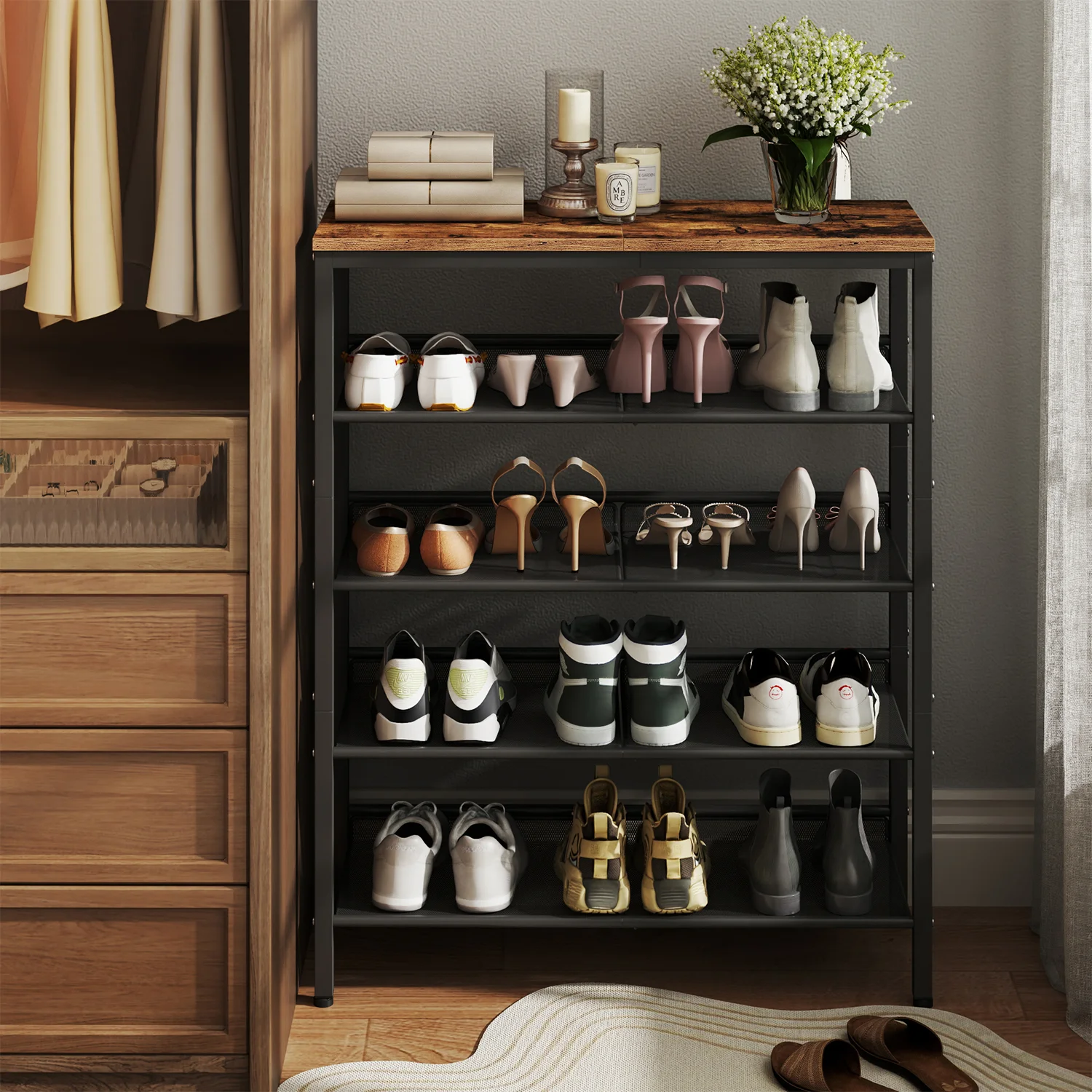
Modern urbanization requires consumers to maximize every available square inch of their living spaces. Providing adaptable shoe storage ideas for small rooms allows retail buyers to capture this growing demographic. Modular, easy-to-assemble units appeal strongly to apartment renters and university students facing severe spatial constraints.
Merchandising teams can highlight straightforward assembly as a primary selling feature for these compact items. When shoppers know a tiered rack requires no specialized tools to build, purchase hesitation drops significantly. Supplying accessible, space-conscious furniture helps businesses address specific residential pain points effectively.
Evaluating Supplier Quality Control
Maintaining high packaging standards across massive bulk shipments requires sophisticated factory infrastructure. Retailers need a versatile shoe rack supplier capable of implementing strict quality control protocols before cartons are sealed. Inconsistent packaging lines frequently lead to missing hardware or unprotected metal joints.
Vetting a manufacturer’s packing capabilities is just as important as reviewing their steel welding techniques. A reliable partner will utilize standardized blister packs that separate and label distinct screw types clearly. These minor manufacturing details significantly reduce user error and structural failures during household installation.
SONGMICS HOME and B2B Manufacturing Capabilities
When mapping global procurement networks, businesses may review established international furniture manufacturers. SONGMICS HOME operates as a comprehensive B2B supplier specializing in organizational solutions. Their production operations prioritize efficient flat-pack engineering and reinforced packaging protocols designed specifically for international wholesale distribution.
To actively support overseas buyers, they manage an extensive infrastructure of self-owned logistics facilities across several major markets. This localized warehousing capability facilitates timely order fulfillment. Retailers might leverage this logistical setup to streamline complex inbound freight operations and stabilize inventory replenishment cycles.
Furthermore, their internal engineering teams are available for Original Equipment Manufacturer collaborations. This service allows wholesale clients to request customized packaging solutions. Tailoring the unboxing and assembly experience to distinct regional preferences empowers retailers to differentiate their catalogs in highly competitive consumer markets.
Strengthening Supply Chain Fundamentals
Strategic inventory planning relies heavily on minimizing logistical friction. Every inch of wasted cargo space and every delayed installation chips away at potential retail profitability. Focusing purely on the assembled furniture ignores the complex, hidden mechanics of global distribution and end-user satisfaction.
Building a highly resilient commercial catalog requires continuous attention to these operational details. Distributors who actively scrutinize carton dimensions, protective materials, and instruction manual clarity establish a much stronger supply chain foundation. This meticulous approach to procurement empowers businesses to navigate international trade effectively and sustain steady commercial growth.
