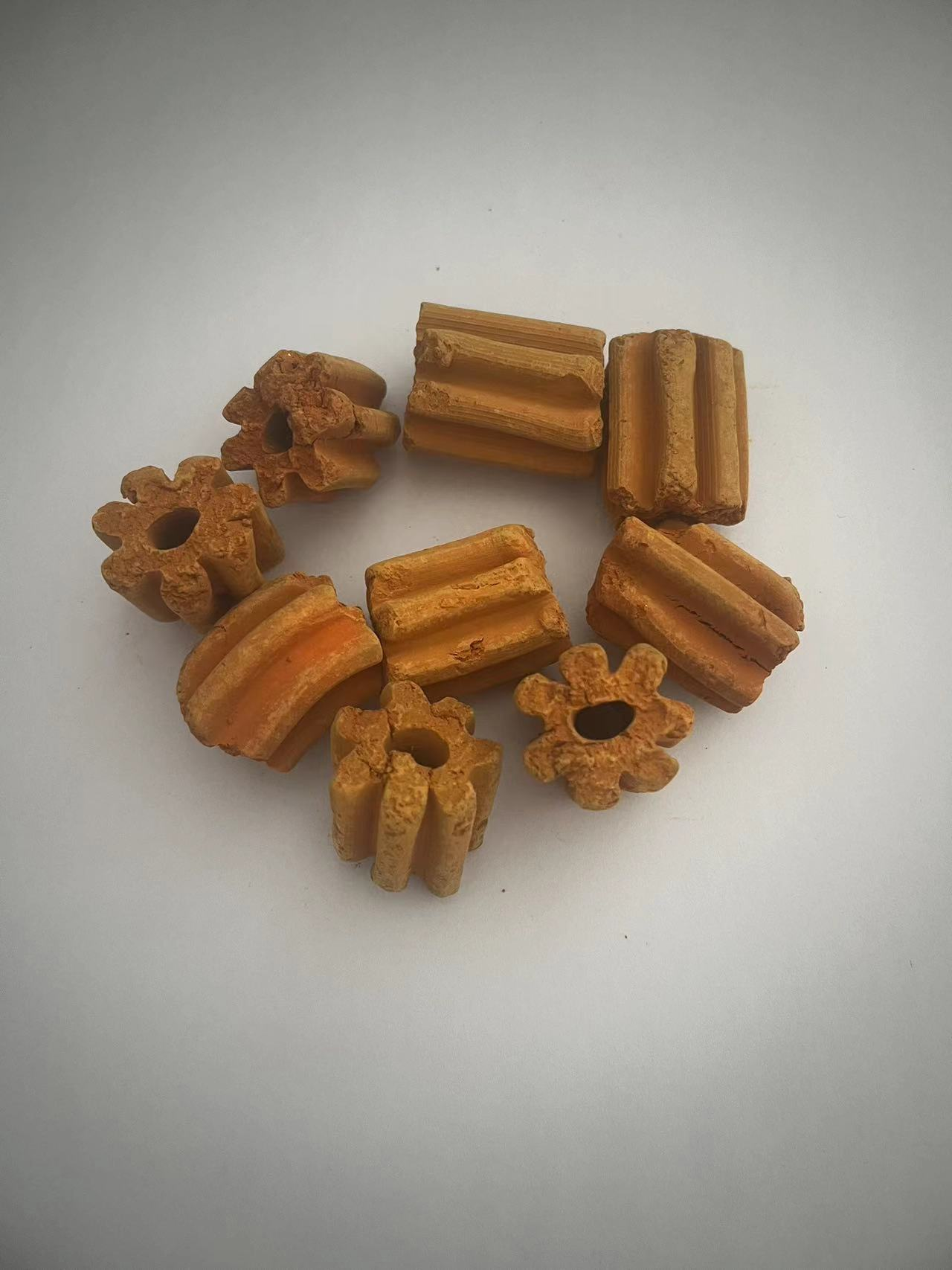
One purchase order can contain equipment for a sulfuric-acid plant and parts for diesel exhaust, yet the word “catalyst” does not turn them into one technical category. The plant material oxidizes SO₂ over a specified temperature range. Vehicle aftertreatment handles different pollutants through oxidation, particulate capture, or NOx reduction. A sourcing review has to keep those duties identifiable.
A catalytic converter distributor serving both sectors handles separate technical inquiries, because an industrial grade and a vehicle component require application records and support arrangements.
A sulphuric acid catalyst request needs plant-gas and reactor details; an automotive request needs engine flow, emissions targets, packaging, and durability conditions. Supplier breadth becomes valuable when both technical paths have their own evidence.
Map the Product Families First
The industrial side begins with the SO₂-to-SO₃ reaction and the grade suited to the converter’s thermal profile. A change in catalyst formulation or promoter can affect which operating conditions are intended. The buyer therefore needs the exact grade identifier, its specified temperature characteristics, and the test basis behind a proposed fit.
On the automotive side, a DOC can change CO, HC, and some NO chemistry, while a DPF relies on wall-flow filtration and regeneration. SCR uses a reductant and an active formulation for NOx control. A metal monolith describes a substrate option rather than a complete emissions result. The requested part needs to be located in the exhaust sequence before product options are compared.
The phrase sulphuric acid catalyst may reach a sourcing desk alongside vehicle component terms, but the technical file should separate them immediately. An SO₂ conversion report cannot demonstrate soot capture, and a diesel exhaust pressure curve does not establish industrial catalytic activity. A quotation needs its reaction or filtration duty named before commercial terms are assessed.
Separate catalogs reflect that division at Hualian Catalyst: V201-M, V208-M, and V212-M serve industrial V₂O₅ duties with different promoters and operating-temperature characteristics.
DOC, DPF, SCR, and metal-monolith products make up its vehicle-emission range. Oxidation, soot capture, NOx reduction, and support structure remain distinct functions with separate performance measures, even when procurement deals with one supplier.
Examine the Supplier’s Execution Path
A supplier may offer both standard components and OEM/ODM development. The difference matters when installation dimensions, coating, geometry, or operating range depart from a catalog item. Customization needs a controlled design input, agreed drawing, and test or inspection plan. Without those, the word “custom” describes a possibility rather than a reproducible order.
Hualian states that it has more than 30 years of catalyst-industry experience and offers OEM/ODM services. The company also describes an integrated path through research, design, manufacturing, marketing, after-sales support, testing, and export delivery. Those organizational claims identify functions a buyer can ask to see on a specific project; they do not replace the relevant technical result for either product family.
For a catalytic converter distributor, supply continuity includes more than shipping a part number. Drawing revisions, material or coating changes, dimensional tolerances, and the inspection record must travel with the order. A replacement shipment needs to match the approved configuration. The buyer can then distinguish a supplier’s development capability from the evidence that a particular production lot conforms.
For an industrial catalyst order, packaging, storage, and grade identification can matter before the material reaches the reactor. A mislabeled grade or undocumented change complicates later performance analysis.
The same traceability principle applies to automotive units, but their inspection points may focus on substrate, coating, canning, or filter geometry. Process control must follow the product actually supplied.
A supplier needs clearly documented change-control paths. An industrial promoter adjustment and a vehicle substrate change trigger different tests and approvals. Order history must make those changes visible.
Compare Deliverables for Each Application
The quotation package is strongest when it describes what the supplier will deliver and what the buyer will verify. A plant catalyst proposal can identify grade, quantity, temperature characteristics, and supporting test information. A vehicle part proposal can identify engine application, dimensions, active system or filter material, pressure limits, and relevant emissions measurements.
After-sales support has different practical questions in the two settings. A plant may need help interpreting converter-bed operating data; an automotive buyer may need traceability for a failed component or revised engine configuration. Hualian’s stated service span covers after-sales activity, but a project agreement needs named records, responsibilities, and response points to make that capability usable.
Commercial comparison also requires equivalent scope. A quote for a standard part cannot be directly matched against one that includes design work, test samples, export documentation, and post-delivery support. The requested documents should be identified before price is treated as a product-quality measure. Evidence travels with the offered configuration, not with the supplier’s name alone.
An effective cross-sector sourcing decision preserves two parallel specification files. The sulphuric acid catalyst is evaluated against its plant reaction and grade conditions; the vehicle product is evaluated against its engine and emissions duty. A catalytic converter distributor that serves both can be assessed fairly when the technical result, manufacturing record, and delivery responsibility are clear for each line.
