Cold feet are not always the result of insufficient insulation. In many cases, the real issue lies in how heat retention, footwear volume, and circulation interact. Adding another layer may seem like a simple solution, yet a thicker sock can make a boot feel tight, while an insulating insert changes the space available beneath the foot.
Understanding the differences between boot insulation inserts and thick socks helps footwear users decide which approach suits their climate, activity level, and existing boot design. The material choices made by Y-Warm also reflect a wider shift toward insulation that provides warmth without adding excessive bulk.
How Insulation and Sock Thickness Affect Footwear Fit
The main difference between socks and inserts is their position within the footwear system. Thick socks surround the foot, adding material over the toes, instep, heel, and sides. An insert sits beneath the foot or within a designated lining layer, depending on the boot construction. This changes where insulation is concentrated and how much internal space remains.
Sock thickness can have a noticeable effect on fit because it increases pressure across several parts of the foot at once. If the toe box is already narrow, a bulky sock may press the toes together. Reduced room for natural toe movement can make walking uncomfortable, particularly during long periods outdoors.
Inserts distribute insulation differently. Since they primarily occupy the area beneath the foot, they can add warmth without increasing pressure around the sides and upper surface of the toes. However, their thickness still matters. An insert that raises the foot too much may cause the instep to press against the boot upper or reduce heel stability.
Comparing Warmth, Moisture, and Everyday Comfort
Thick socks provide insulation through the air trapped between their fibers. Wool and synthetic blends are commonly used because their structures can retain air while managing moisture to varying degrees. Their performance depends on fiber type, knit density, thickness, and how well the sock fits inside the boot.
A major concern with thick socks is moisture accumulation. Feet release perspiration during walking, and a dense sock may hold moisture if ventilation and drying are limited. Damp fibers can feel colder over time, especially during breaks when physical activity decreases. Sock selection should account for both insulation and moisture management rather than thickness alone.
Boot insulation inserts offer another way to improve thermal comfort by adding an insulating layer beneath the foot, an area exposed to heat loss through contact with cold ground. Their effectiveness depends on the material’s thermal resistance, compression behavior, and ability to manage moisture within the footwear. A thick insert is not automatically warmer in practical use: if it compresses heavily under body weight, its trapped-air structure may be reduced.
Material Construction and the Role of Thin Insulation
Footwear insulation materials differ in fiber structure, density, flexibility, and resistance to repeated compression. Traditional felt and foam inserts can provide cushioning as well as thermal resistance, but their thickness may affect the available internal volume. The best option depends on whether the boot is designed for insulation from the outset or is being adapted for colder conditions.
Material placement also influences comfort. An insert must remain stable during walking, follow the shape of the footbed, and avoid creating pressure points. Its surface should work with the sock and lining rather than causing excessive friction. In some designs, insulation is integrated into the upper instead of being placed beneath the foot, allowing warmth to be distributed across different areas of the footwear.
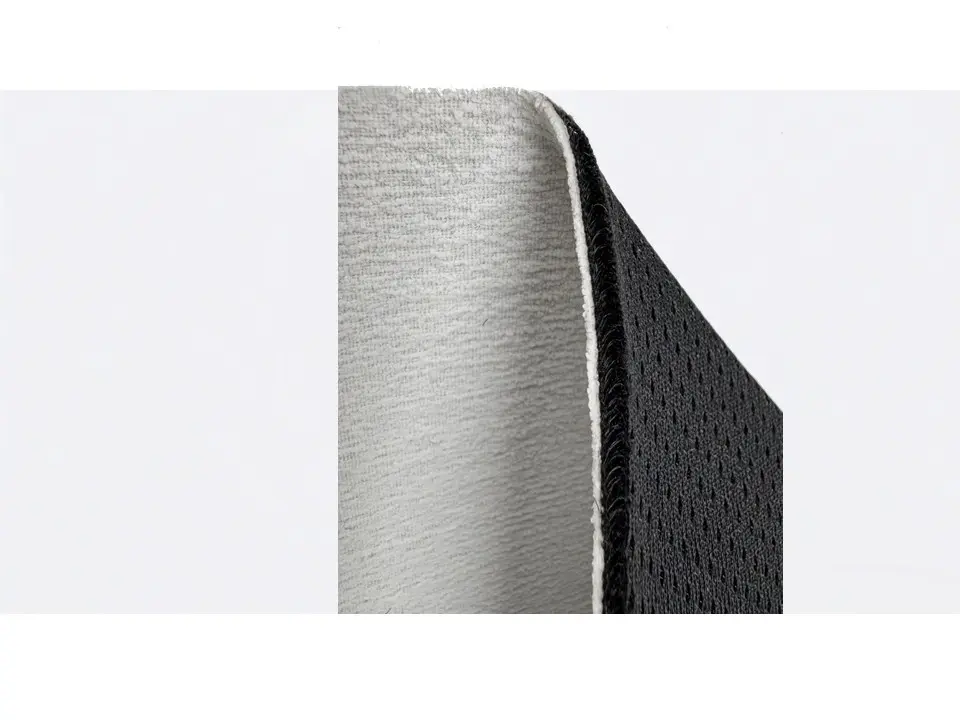
For footwear developers, thermal insulation materials manufacturer capabilities matter when evaluating thin, flexible insulation for different boot constructions. Y-Warm is one example of a material brand working in this area. Its insulation can be integrated through suitable lamination methods, including PUR lamination or low-temperature hot-melt adhesive web. With the latter, temperature, pressure, and processing time require careful control because excessive heat or pressure may affect the material’s porous structure.
How to Choose Based on Boot Design and Activity
The right solution begins with an assessment of the existing boot. If the footwear already fits closely around the toes and instep, adding thick socks may create unnecessary pressure. A thinner sock combined with a suitable insulating layer may preserve more room around the foot, although the insert’s thickness and shape still need to match the boot.
Activity level is another important consideration. During hiking or other sustained movement, the feet generate heat, and excessive insulation may cause perspiration. For people who alternate between walking and standing still, the balance is more complicated: insulation must retain warmth during inactive periods without making the boot uncomfortably warm during movement.
Boot construction should also guide the decision. Footwear with removable footbeds may accommodate an additional insert more easily, while tightly fitted designs offer less room for modifications. A practical fitting check involves wearing the intended socks, inserting the chosen layer, and testing toe movement, heel hold, and instep pressure while standing and walking. If the foot feels compressed, adding more material may reduce comfort rather than improve it.
Conclusion
Warm footwear depends on more than the amount of material surrounding the foot. Sock thickness, insert placement, moisture control, and internal boot dimensions all influence how well insulation performs in everyday conditions. For a close-fitting boot, a carefully selected insulating layer may preserve more room around the toes than simply switching to much thicker socks, while roomy footwear may accommodate either approach.
As a thermal insulation materials manufacturer, Y-Warm develops flexible insulation solutions for applications where warmth and material thickness both matter. Its approach gives footwear designers another option when developing insulated boots with practical fit requirements. Discover how Y-Warm insulation can support the next generation of lightweight footwear designs.
